WhatsApp Marketing Automation is rapidly becoming one of the most powerful customer engagement strategies for modern businesses in 2026. With billions of active users and significantly higher open rates than email or traditional SMS campaigns, WhatsApp allows brands to create faster, more personal, and highly interactive communication experiences.
Businesses are no longer using WhatsApp only for customer support. Today, companies automate lead nurturing, abandoned cart recovery, appointment reminders, onboarding flows, promotional campaigns, and customer retention directly through intelligent messaging systems. Combined with AI-driven personalization and chatbot automation, WhatsApp has evolved into a complete marketing ecosystem.
What is WhatsApp Marketing Automation?
WhatsApp Marketing Automation refers to the use of automated workflows, chatbots, AI assistants, and scheduled messaging systems to communicate with customers on WhatsApp at scale. Instead of manually responding to every inquiry, businesses can build intelligent flows that guide users through sales funnels, support journeys, and engagement campaigns automatically.
These systems integrate with CRMs, eCommerce platforms, payment gateways, and analytics tools to deliver personalized experiences in real time. Automation helps brands maintain consistent communication while reducing operational workload and improving customer satisfaction.
Why WhatsApp Marketing Matters in 2026
Consumer behavior has shifted toward instant messaging platforms. Customers now expect quick replies, personalized recommendations, and seamless communication across devices. WhatsApp fulfills these expectations better than many traditional channels because conversations feel natural, direct, and conversational.
In 2026, businesses are prioritizing conversational marketing over static advertising. Automated WhatsApp campaigns allow brands to engage users at the right moment with relevant offers, reminders, and updates, creating stronger customer relationships and higher conversion rates.
Core Features of Modern WhatsApp Automation
Modern WhatsApp automation platforms offer much more than simple auto replies. Businesses can create AI-powered chatbots capable of handling customer inquiries, product recommendations, and sales conversations without human intervention.
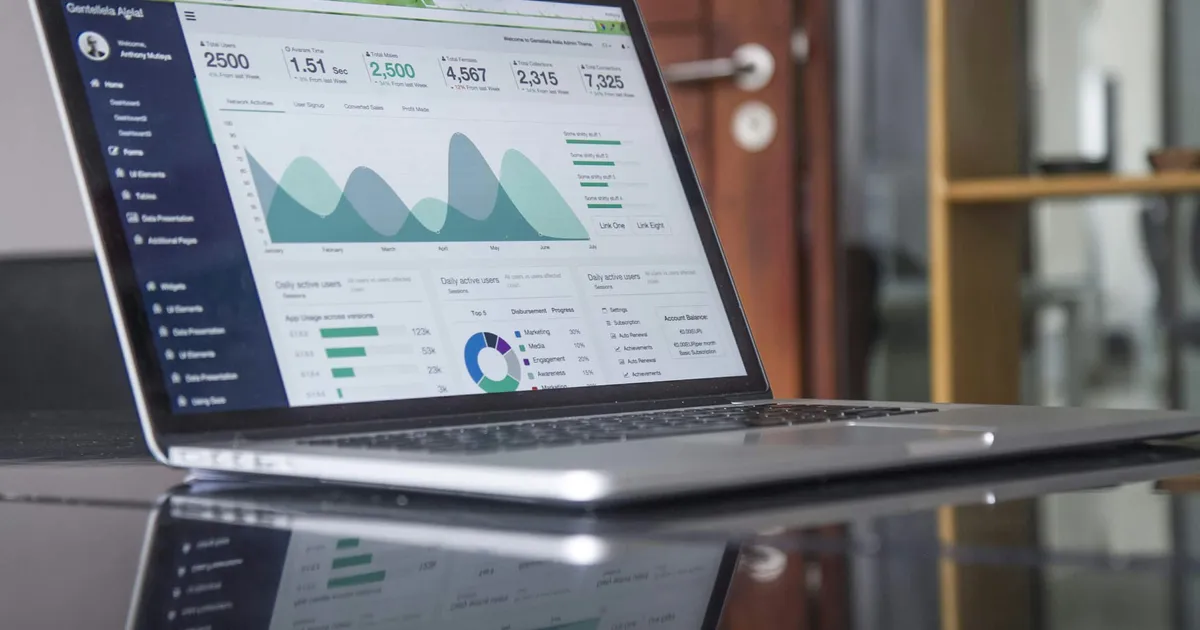
Advanced systems now include behavior-based segmentation, automated campaign triggers, multilingual communication, payment integrations, appointment scheduling, CRM synchronization, and detailed analytics dashboards. These tools help businesses create highly targeted and scalable communication strategies.
Best Use Cases for WhatsApp Automation
eCommerce brands use WhatsApp automation for abandoned cart recovery, order confirmations, shipping updates, and personalized product recommendations. Educational platforms automate student onboarding, course reminders, and support interactions.
Healthcare providers send appointment reminders and follow-up care instructions, while real estate businesses automate lead qualification and property inquiries. Service-based companies use WhatsApp automation to streamline bookings, collect feedback, and maintain long-term client engagement.
AI and Personalization in WhatsApp Marketing
Artificial intelligence is transforming WhatsApp marketing by enabling smarter and more personalized conversations. AI-powered systems analyze customer behavior, preferences, purchase history, and interaction patterns to deliver highly relevant responses and recommendations.
Instead of sending generic broadcasts, businesses can now create dynamic campaigns tailored to individual users. Personalized communication increases engagement rates, improves customer trust, and drives stronger long-term retention.
Challenges Businesses Must Address
While WhatsApp automation offers significant advantages, businesses must avoid over-automation and spam-like messaging. Customers expect authentic and meaningful interactions, not excessive promotional notifications.
Compliance with WhatsApp Business policies, data privacy regulations, and opt-in messaging requirements is also essential. Companies that fail to maintain responsible communication practices risk lower engagement, reduced trust, and potential platform restrictions.
The Future of WhatsApp Marketing Automation
The future of WhatsApp Marketing Automation will be driven by AI agents, voice interactions, predictive analytics, and hyper-personalized customer journeys. Businesses will increasingly rely on conversational commerce systems that combine automation with human-like engagement.
As digital communication continues to evolve, WhatsApp is expected to become a central hub for sales, support, payments, and customer relationship management. Brands that adopt intelligent automation early will gain a major competitive advantage in the rapidly changing digital marketplace of 2026.