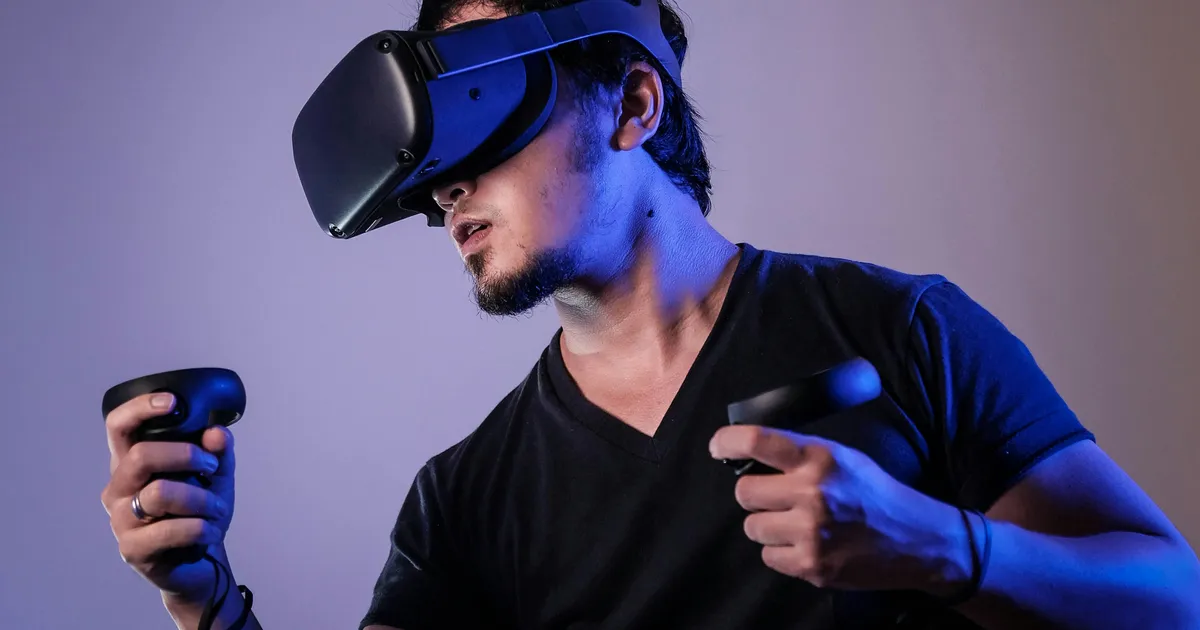
User interfaces are evolving far beyond traditional screens and flat layouts. As immersive technologies continue to grow, Spatial UI is emerging as the next major shift in web development. Instead of interacting with static buttons and pages, users are beginning to engage with digital environments that exist in three-dimensional space.
Spatial UI combines web technologies with augmented reality, virtual reality, motion tracking, and 3D interaction systems to create more natural and immersive digital experiences. This transformation has the potential to redefine how users interact with websites, applications, and online services in the coming years.
What is Spatial UI?
Spatial UI refers to interfaces that exist within a three-dimensional environment rather than a traditional two-dimensional screen layout. Instead of navigating through menus and flat components, users interact with digital objects positioned in physical or virtual space.
These interfaces can respond to gestures, eye movement, voice commands, device motion, and spatial positioning. The goal is to create a more intuitive interaction model that feels closer to real-world experiences.
Why Spatial Computing Matters
Modern users expect increasingly immersive and interactive digital experiences. As hardware capabilities improve, traditional interfaces are starting to feel limited for applications involving gaming, collaboration, education, ecommerce, and remote communication.
Spatial computing introduces a new layer of interaction where digital content blends naturally with physical environments. This creates opportunities for more engaging user experiences and entirely new categories of applications.
The Role of Web Technologies
Modern web technologies are making Spatial UI more accessible than ever before. APIs such as WebXR allow developers to build immersive augmented and virtual reality experiences directly within web browsers without requiring native applications.
Libraries and frameworks like Three.js, Babylon.js, and React Three Fiber provide powerful tools for rendering interactive 3D environments on the web. Combined with GPU acceleration and modern browser optimization, these technologies are enabling real-time immersive experiences across devices.
Spatial UI and User Experience
Spatial interfaces introduce entirely new UX principles. Designers must now consider depth, motion, physical positioning, interaction distance, and environmental awareness when creating user experiences.
Navigation systems are shifting from clicks and scrolling toward gestures, gaze tracking, hand interaction, and voice control. Interfaces must remain intuitive while minimizing motion fatigue and cognitive overload for users operating within immersive spaces.
Real-World Applications of Spatial UI
Spatial UI is already transforming multiple industries. Ecommerce platforms now allow customers to visualize products within their homes using augmented reality. Educational platforms are creating immersive learning environments where students can interact with complex concepts in three dimensions.
Remote collaboration tools are also evolving into virtual workspaces where teams can interact naturally in shared digital environments. These experiences create stronger engagement compared to traditional video conferencing systems.
Performance and Development Challenges
Building spatial interfaces introduces significant technical challenges. Rendering high-quality 3D graphics in real time requires optimized performance, efficient memory management, and advanced GPU utilization.
Developers must also ensure compatibility across multiple devices, browsers, and hardware ecosystems. Maintaining smooth frame rates and responsive interactions is critical for preventing discomfort and delivering immersive experiences successfully.
Accessibility in Spatial Interfaces
Accessibility remains an important consideration in the future of Spatial UI. Developers must ensure that immersive experiences remain usable for individuals with varying physical abilities, visual limitations, and interaction preferences.
Voice interaction, adaptive controls, customizable environments, and assistive technologies will play a major role in making spatial computing inclusive for a wider audience.
The Future of Web Development
Spatial computing is expected to become a major part of the next generation internet experience. As AR glasses, mixed reality devices, and immersive hardware become more common, web developers will need to rethink how digital experiences are designed and delivered.
Future web applications may no longer exist as isolated browser tabs but as persistent digital environments integrated directly into the user's physical world. This shift could fundamentally transform how people work, communicate, shop, and interact online.
Conclusion
Spatial UI represents a major evolution in web development and digital interaction. By combining immersive technologies with modern web infrastructure, developers can create experiences that feel more natural, interactive, and engaging than traditional interfaces.
While challenges related to performance, accessibility, and hardware adoption still exist, the momentum behind spatial computing continues to grow rapidly. The future of web development is moving beyond flat screens toward intelligent, immersive environments that blend the physical and digital worlds together.